Chronic Care Management Blog
Clinical insights, billing guides, AI innovations, and best practices for practices running RPM, CCM, BHI, and PCM programs through iScript.care.
How CCM Care Plans Reduce Hospitalizations: A 2026 Evidence-Based Guide for Primary Care
Discover how CMS Chronic Care Management (CCM) care plans reduce hospitalizations by 15-30%, with peer-reviewed evidence, CPT billing codes, and implementation guidance for primary care practices.
Read Article
Behavioral Health Integration (BHI): The Hidden Revenue Stream in Your CCM Program
Most physicians running a Chronic Care Management (CCM) program are leaving thousands of dollars in legitimate Medicare reimbursement on the table every month — not through any billing error, but through a simple oversight: they haven't added Behavioral Health Integration (BHI) to their care mod

How iScript.care Generates Up to $193 Per Patient Per Month With Zero New Hires
Most physicians didn't enter medicine to become billing specialists — yet uncaptured reimbursement is quietly draining thousands of dollars from practices every single month. iScript.care was built to solve exactly that problem: a physician-led, AI-powered platform that helps practices unlock Chro

How Medicare CCM Reimbursement Works in 2025: A Complete Guide for Primary Care Physicians
For primary care physicians managing patients with multiple chronic conditions, Chronic Care Management (CCM) represents one of the most significant—and most underutilized—revenue opportunities in modern Medicare billing. Understanding how CCM reimbursement works in 2025 can transform not only y

The Rise of Multi-State Telehealth Licensing: Opportunities for Physicians in 2025
The telehealth landscape is undergoing a seismic shift in 2025, with multi-state licensing compacts breaking down the traditional geographic barriers that once confined physicians to practicing in a single state. For healthcare providers, patients in underserved regions, and the platforms powering v

The 7 Chronic Conditions That Qualify Patients for Both RPM and CCM — and How to Identify Them
Chronic disease management has entered a new era — one where Remote Patient Monitoring (RPM) and Chronic Care Management (CCM) programs work in tandem to keep patients healthier between office visits, reduce hospitalizations, and improve long-term outcomes. Understanding which conditions qua

Women's Hormone Health in the Digital Age: How Telehealth Is Transforming HRT Access
The landscape of women's hormonal healthcare is undergoing a profound transformation—one driven not just by evolving clinical science, but by the digital infrastructure now making expert care accessible to millions of women who previously faced significant barriers. For decades, navigating menopause

Why AI-Powered Patient Acquisition Is the Future of Telehealth
Patient acquisition is the #1 challenge for telehealth practices. AI is changing that. Learn how iScript Autopilot uses AI to automatically generate websites, acquire patients, and grow your practice — hands-free.

How CCM Can Add $5,000+/Month to Your Practice
Chronic Care Management (CCM) is one of the most underutilized Medicare revenue streams. Here's how physicians are adding $5,000+ per month in recurring revenue — without adding overhead or changing their workflow.

RPM 101: A Provider's Guide to Remote Monitoring Revenue
Remote Patient Monitoring (RPM) can generate $100+ per patient per month — but many providers leave this revenue on the table. Here's everything you need to know about RPM billing, devices, and getting started.

GLP-1 Medications in 2025: What Patients Need to Know Before Starting Semaglutide or Tirzepatide
The landscape of obesity and metabolic disease management has been fundamentally transformed by GLP-1 receptor agonists — and in 2025, these medications are more accessible, better studied, and more nuanced than ever before. Whether you've heard about Ozempic from a friend, seen Wegovy advertised on

How iScript.care Delivers Physician-Supervised Weight Loss Without a Single Office Visit
The landscape of weight management medicine has changed dramatically — and for the better. Today, patients struggling with obesity and metabolic disease can access the same evidence-based, physician-supervised care that was once confined to clinic waiting rooms, without ever leaving their homes. At

Credentialing for Telehealth: What Physicians Need to Know Before Joining a Provider Network
Telehealth has transformed how medicine is practiced — but before a physician can see a single patient virtually, they must navigate one of healthcare's most complex administrative landscapes: credentialing. Whether you are a seasoned clinician exploring telemedicine for the first time or an establi
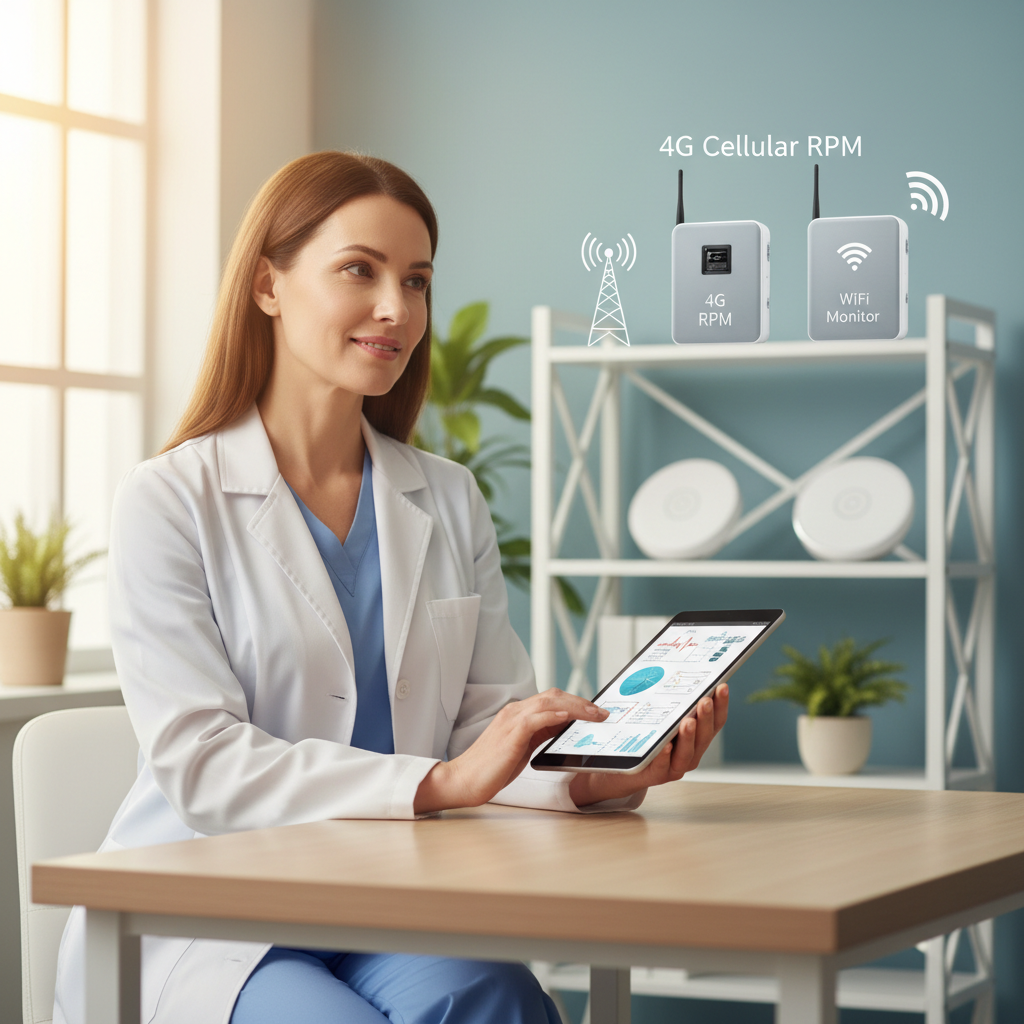
Why 4G Cellular RPM Devices Outperform WiFi-Based Monitors for Medicare Patients
Remote patient monitoring (RPM) has transformed how physicians manage chronic conditions outside the clinic — but the technology powering that monitoring is not all created equal. For Medicare patients, many of whom live in rural areas, have limited digital literacy, or rely on complex medication re
Longevity Medicine: Are NAD+ and Peptide Therapies Worth It? A Physician-Led Review
The pursuit of a longer, healthier life has moved from science fiction to clinical reality — but not every intervention marketed under the "longevity" umbrella is backed by equal evidence. As interest in longevity medicine surges among both patients and physicians, two therapies have emerged at

How Independent Physicians Can Earn Extra Income Through the iScript.care Provider Network
The modern healthcare landscape is shifting rapidly, and independent physicians are discovering that their clinical expertise extends far beyond the walls of a traditional practice. With rising overhead costs, insurance reimbursement pressures, and an increasingly digital patient population, many pr

RPM vs CCM vs APCM: Which Program Is Right for Your Practice?
Choosing the right chronic disease management program can mean the difference between a practice that thrives financially while delivering exceptional patient outcomes and one that leaves significant value—both clinical and financial—on the table. With Medicare now offering reimbursement pathways fo
Beyond the Device: The Critical Role of Care Managers in Making Remote Care Work
Technology alone cannot drive RPM and CCM success. The human connection provided by skilled care managers is what transforms data into outcomes — and iScript.care's Doctor-Led model makes it exceptional.

Is Implementing RPM & CCM a Headache? How to Streamline Your Workflow for Seamless Remote Care Delivery
Busy primary care practices fear the administrative burden of RPM and CCM. With the right planning, technology, and a Doctor-Led partner, integration is not only achievable — it becomes a competitive advantage.

Drowning in Data? How to Turn RPM Information Into Actionable Insights for Better Patient Care
RPM generates vast amounts of patient data — but raw data without clinical intelligence creates noise, not insight. iScript.care's Doctor-Led approach transforms data streams into proactive, personalized care decisions.
Getting Patients On Board and Keeping Them There: Mastering Patient Engagement in Remote Care
The most sophisticated RPM and CCM programs fail without patient participation. Discover proven strategies for enrollment, adherence, and sustained engagement — and how iScript.care handles it for your practice.

Choosing a Remote Care Partner: Are You Asking the Right Questions?
The RPM/CCM vendor landscape is consolidating rapidly. Practices that ask the wrong questions end up with technology that creates more work, not less. Here's your complete evaluation framework.

Is Your RPM Platform Smart Enough? The Role of AI and Advanced Tech in Modern Chronic Care
AI is no longer a buzzword in healthcare — it's redefining what's possible in remote patient monitoring. From predictive deterioration alerts to automated EHR documentation, discover what a truly intelligent RPM platform looks like.

Confused by 2025 Billing Changes? Unlock the Secrets to Maximizing Revenue with APCM and RPM
The 2025 CMS Fee Schedule introduces APCM codes and mandatory G0511 transitions for FQHCs and RHCs. Here is how to navigate these changes and use RPM to maximize your reimbursement.

Are Your Chronic Patients Getting the Best Care? What the Latest Research Says About RPM and CCM
A growing body of clinical evidence shows RPM and CCM reduce hospitalizations by 20-30%, improve chronic disease metrics, and boost patient satisfaction. But program quality — not just technology — determines results.

The Missing Piece: How Pharmacist-Led Remote Monitoring Can Revolutionize Your Chronic Disease Management
Medication-related problems are a major driver of adverse events and costs. Integrating clinical pharmacist expertise into your RPM and CCM programs can dramatically improve adherence, safety, and patient outcomes.

The Clock Is Ticking: Is Your Primary Care Practice Ready for Value-Based Care with CCM and RPM?
CMS aims for 100% of Medicare beneficiaries in accountable care relationships by 2030. CCM and RPM are no longer optional — they are the foundation of value-based care success for primary care practices.

Tired of Reactive Care? Discover How AI-Powered RPM Can Transform Your Primary Care Practice
AI is no longer futuristic in healthcare — it is practical. AI-powered RPM enables early deterioration alerts days before symptoms appear, personalized treatment plans, and reduced administrative burden for PCPs.
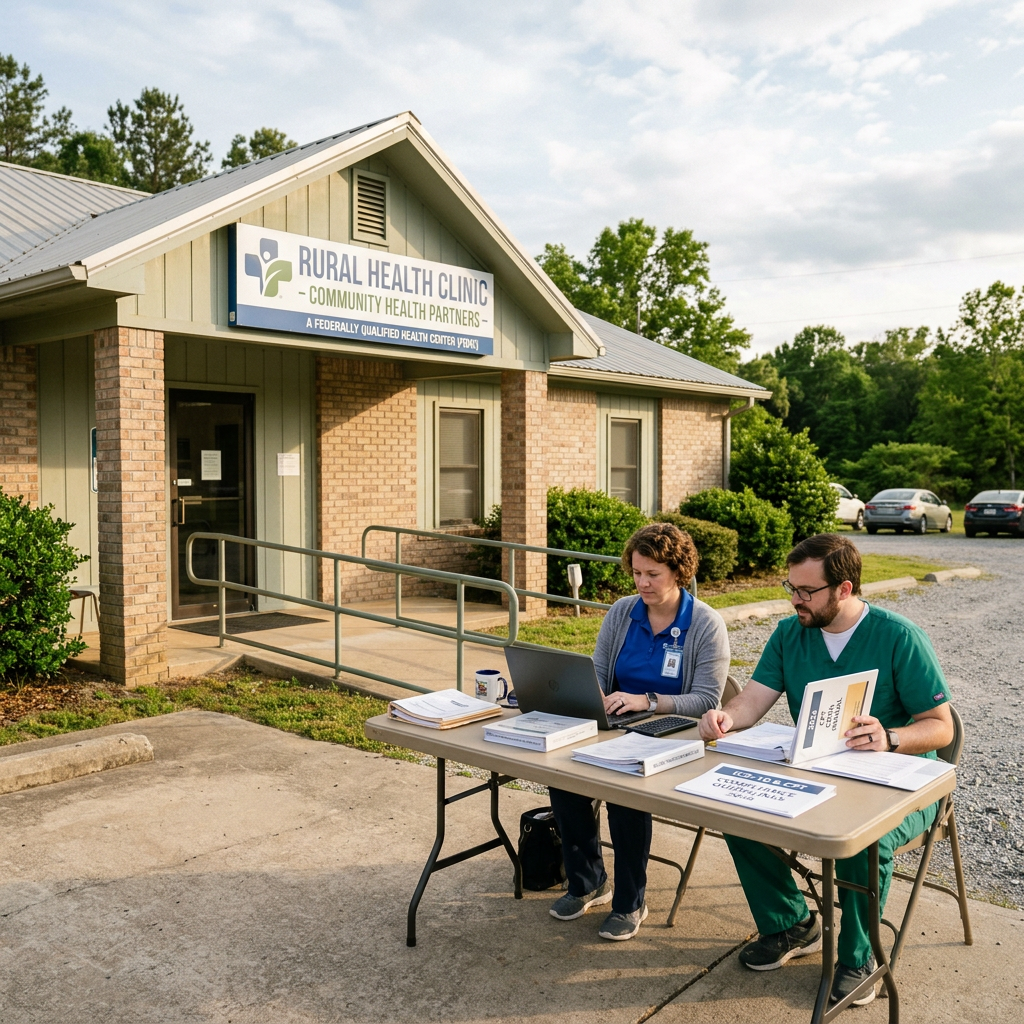
How FQHCs and RHCs Can Thrive Post-G0511: The Key Transition Strategies You Are Missing
Starting July 2025, FQHCs and RHCs must abandon the bundled G0511 code and adopt individual CPT codes for CCM and RPM. Practices that plan now will turn this compliance burden into a revenue opportunity.

The Hidden Risk of CCM: Are You Missing Out on Potential Revenue?
Many PCPs leave significant CCM revenue unclaimed due to misconceptions and underutilization. Integrating RPM with CCM is the single most powerful strategy to close the gap and maximize reimbursement.

Are You Leaving Money on the Table? Discover the Power of APCM and RPM for Your Primary Care Practice
The 2025 introduction of APCM codes (G0556, G0557, G0558) creates a powerful synergy with RPM. Unlike CCM, APCM can be billed concurrently with RPM — and iScript.care makes the integration seamless.

The 2025 Reimbursement Shift: Are You Maximizing Your CCM and RPM Revenue?
The 2025 Medicare Fee Schedule brings new APCM G-codes, G0511 discontinuation, and updated CPT rates. Here is a complete breakdown of every code, rate, and compliance requirement your practice needs to know.

Barriers Implementing Remote Patient Monitoring in Primary Care — And How to Overcome Them
RPM adoption remains low among PCPs despite compelling evidence. Digital literacy gaps, data overload, and financial constraints are the top barriers — and each has a proven solution.

Medicare Coverage for Routine Blood Work: Everything You Need to Know
Medicare beneficiaries often face confusion about which blood tests are covered, under which part, and what they will owe. This complete guide clarifies Part A vs Part B coverage, preventive tests, and out-of-pocket costs.

Medicare Coverage for Blood Pressure Monitors: All You Need to Know
Medicare provides coverage for blood pressure monitors as durable medical equipment — but eligibility, supplier requirements, and documentation rules matter. Here is how to get the device you need covered.

Power of Proactive Management: Mastering Chronic Care
Reactive care is no longer sufficient for the growing burden of chronic disease. Proactive management — through risk stratification, patient engagement, and technology — is the key to better outcomes and lower costs.
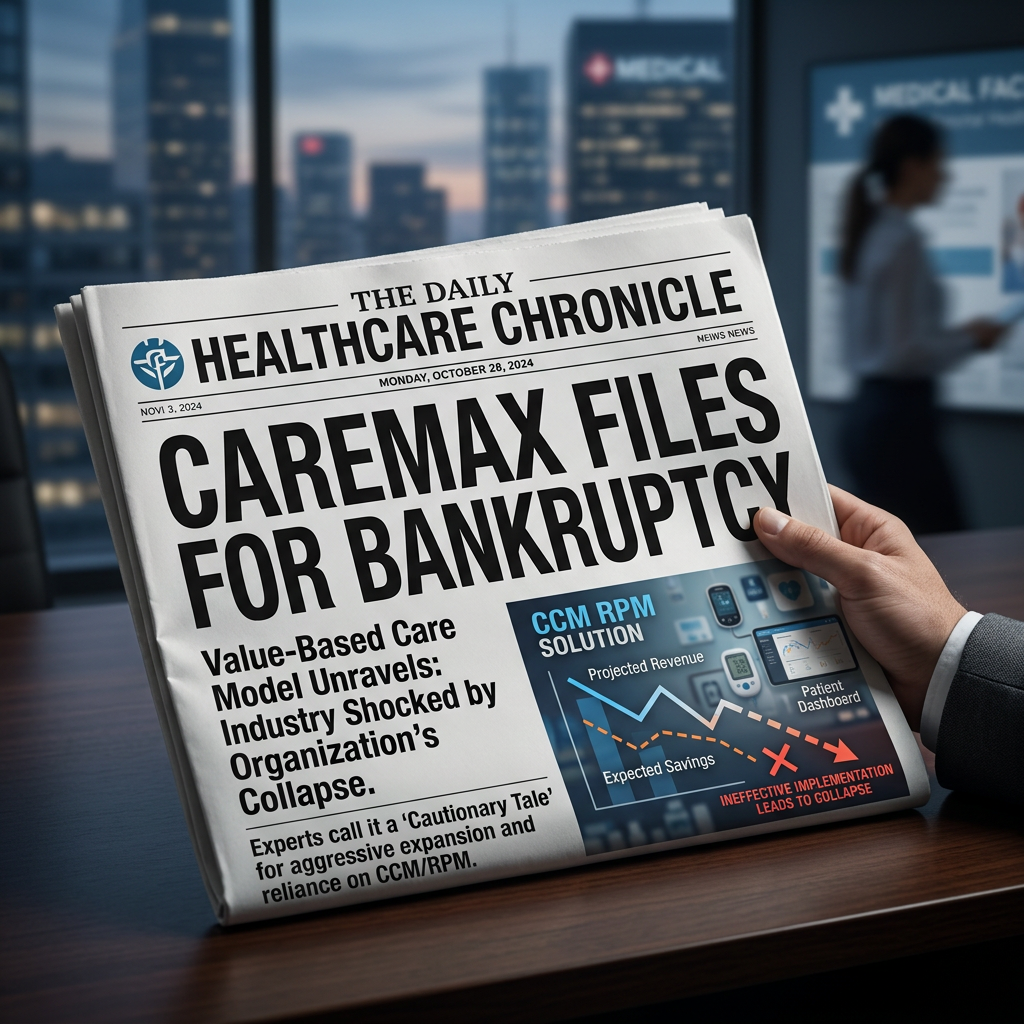
5 Lessons from the CareMax Collapse: How CCM and RPM Could Have Saved Steward Health
CareMax's Chapter 11 bankruptcy filing reveals the fatal cost of ignoring CCM and RPM in value-based care. Here are 5 concrete lessons every healthcare organization should take from this collapse.
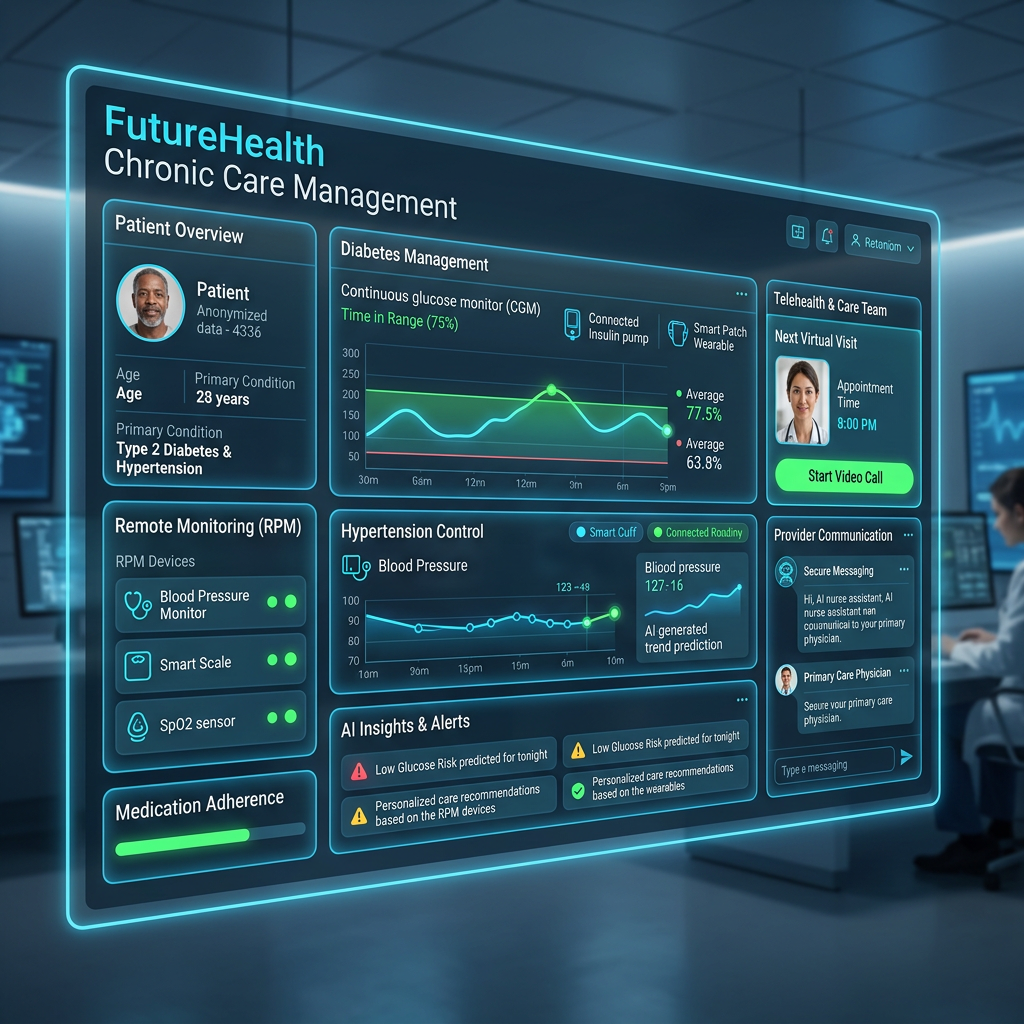
Future of Chronic Care Management: Trends and Innovations to Watch
AI-powered care plans, gamified patient engagement, RTM expansion, and value-based bundled payments are reshaping CCM. Here are the key trends every primary care practice needs to understand for the decade ahead.

2025 Medicare Fee Schedule: CCM and RPM Payout Changes Explained
The 2025 CMS updates bring increased RPM reimbursement with stricter requirements, more flexibility for CCM documentation, new PCM codes for high-risk disease management, and simplified BHI billing. Here is everything you need to know.

What is Remote Patient Monitoring (RPM)? A Complete Clinical Guide
Remote Patient Monitoring is a revolutionary healthcare service that allows physicians to remotely monitor and manage patients' health using 4G-enabled cellular devices — no WiFi, no app, no smartphone required.

What is Chronic Care Management (CCM)? The Complete Guide for Physicians
Chronic Care Management is a CMS-recognized primary care service for Medicare patients with two or more chronic conditions — providing monthly care coordination, care planning, and 24/7 patient support.

Stacking RPM + CCM: Maximizing Reimbursement for Your Practice
When RPM and CCM are combined for the same patient, the revenue potential reaches $242/patient/month — and clinical outcomes improve dramatically. Learn how iScript.care practices stack these programs.

Complete Guide to RPM & CCM CPT Codes (2024–2025)
A practical reference guide to every RPM and CCM billing code — including 99453, 99454, 99457, 99458, 99490, and 99439 — with current Medicare fee schedule rates and documentation requirements.

Behavioral Health Integration (BHI): The Missing Piece in Chronic Care
A substantial share of chronic disease patients also live with depression or anxiety — often untreated. BHI closes this gap with structured mental health screening and coordination, billed under CPT 99484.

Why 4G Cellular Devices Solve the RPM Adherence Problem Once and For All
Traditional Bluetooth and WiFi-dependent RPM devices fail 40%+ of patients. iScript.care's 4G cellular gateway increases CPT 99454 eligibility by 27% — the single most important metric in RPM program viability.