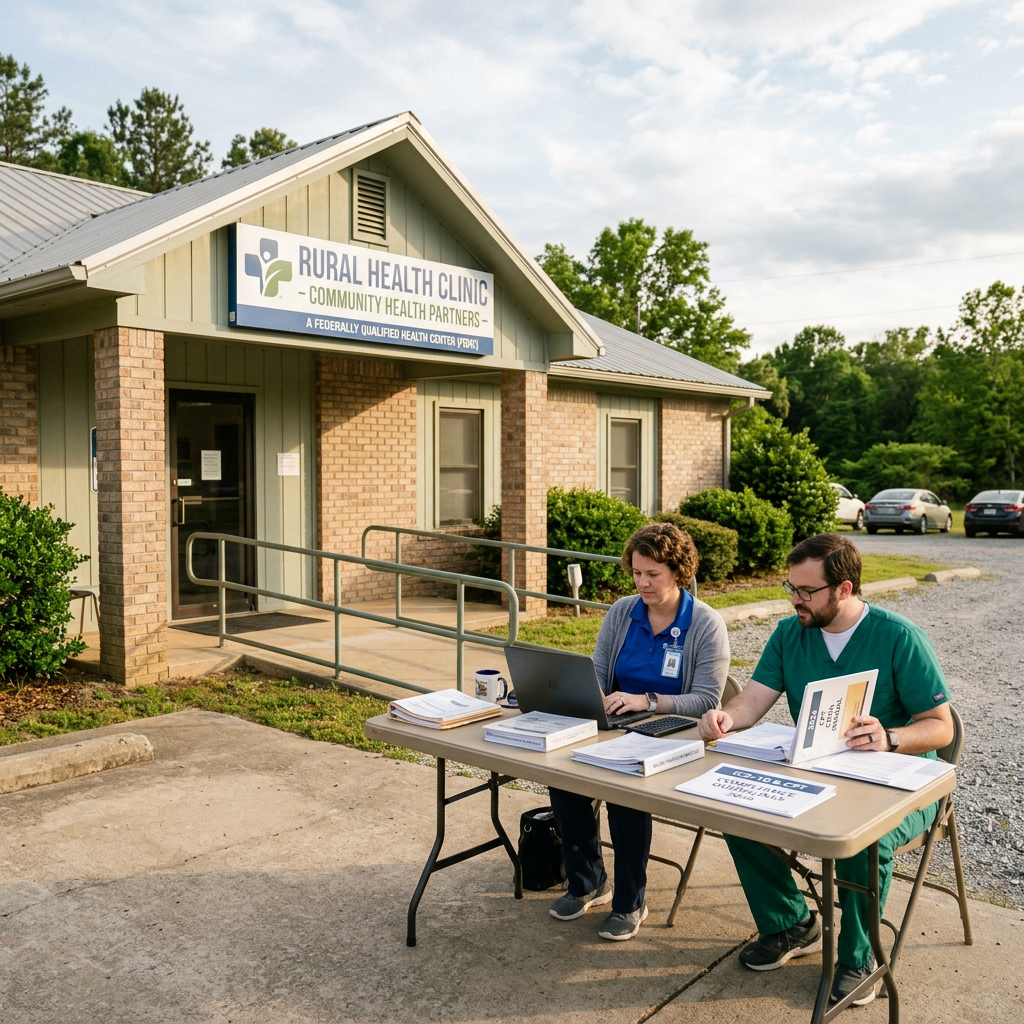
How FQHCs and RHCs Can Thrive Post-G0511: The Key Transition Strategies You Are Missing
Starting July 2025, FQHCs and RHCs must abandon the bundled G0511 code and adopt individual CPT codes for CCM and RPM. Practices that plan now will turn this compliance burden into a revenue opportunity.
Starting July 2025, the Centers for Medicare and Medicaid Services (CMS) will discontinue the use of the bundled G0511 code for care management services. This significant policy shift requires Federally Qualified Health Centers (FQHCs) and Rural Health Clinics (RHCs) to adopt individual CPT codes for Chronic Care Management (CCM) and Remote Patient Monitoring (RPM). The implications for your clinic could be substantial — both operationally and financially.
Understanding the Shift from G0511
G0511 was designed to simplify billing by bundling various care management services under a single code, allowing clinics to focus more on patient care rather than administrative billing complexities. The impending shift to individual CPT codes changes this landscape dramatically, requiring a more detailed approach to documentation, coding, and billing.
Transitioning from a bundled payment structure to individual CPT coding means clinics must track time and services with increased precision. While this could initially appear burdensome, proper implementation offers the potential for increased revenue and more accurate compensation for the extensive care provided to patients with chronic conditions.
Why This Change Matters for Your Clinic
The shift to individual CPT codes provides opportunities for more detailed billing and increased reimbursement for specific services that were previously undervalued under the bundled G0511 model. Practices that prepare effectively can leverage this change to maximize reimbursement, improve compliance, and enhance overall operational efficiency.
However, those unprepared risk significant disruptions to cash flow, potential compliance issues, and missed opportunities for revenue capture.
Strategic Recommendations for a Smooth Transition
Step 1: Detailed Understanding and Training
Begin by thoroughly educating your staff about the new coding requirements — administrative personnel, billing specialists, and clinical staff. Education should cover:
- Specific CPT code definitions and documentation requirements
- Proper time-tracking methods and detailed patient notes
- Compliance protocols to avoid billing errors and potential audits
Step 2: Enhanced Documentation Protocols
With individual CPT coding, meticulous documentation becomes even more critical. Develop standardized documentation protocols across your clinic. Consider EHR systems with built-in coding prompts to streamline this process.
Step 3: Integration of RPM
Remote Patient Monitoring presents a substantial opportunity for increased revenue and improved patient care. Key steps:
- Select robust RPM technologies that integrate with your existing EHR and billing systems
- Train clinical staff in RPM device use and data interpretation
- Develop clear workflows for RPM data collection, analysis, and integration into patient care plans
Step 4: Leveraging Technology for Efficiency
Invest in systems that automate coding suggestions, provide real-time analytics and billing insights, and facilitate clear communication among clinical, administrative, and billing teams.
Step 5: Regular Audits and Feedback
Conduct regular internal audits to identify any issues early, ensuring compliance with new coding practices. Continuous improvement initiatives will help your practice quickly adapt under the new CMS guidelines.
Revenue Impact: G0511 vs. Individual CPT Codes (100 patients)
| Billing Model | Monthly Revenue | Annual Revenue | |--------------|----------------|----------------| | G0511 only (legacy bundled) | ~$3,200 | ~$38,400 | | Individual CCM (99490+99439) | ~$5,450 | ~$65,400 | | CCM + RPM (full stack) | ~$14,200 | ~$170,400 |
The transition, when done right, is not just compliance — it is a 3–4x revenue increase opportunity.
Financial and Clinical Benefits
| Benefit | Impact | |---------|--------| | Improved Revenue Capture | More precise billing enhances reimbursement rates significantly | | Enhanced Clinical Outcomes | Increased emphasis on patient monitoring improves health | | Better Compliance | Detailed documentation reduces audit vulnerabilities |
Why Partner with iScript.care?
iScript.care specializes in supporting FQHCs and RHCs through complex transitions like this. Our comprehensive platform offers CCM and RPM integration, detailed documentation support, and coding automation — all designed to simplify your operational shift and maximize revenue. With iScript.care, your practice gains access to user-friendly RPM integration, advanced analytics for billing efficiency, and ongoing training resources tailored specifically for FQHCs and RHCs.
Conclusion
The CMS transition from G0511 to individual CPT coding is a significant change for FQHCs and RHCs. With strategic planning, effective staff training, robust technology solutions, and ongoing support, your practice can transform this challenge into a powerful opportunity. Embrace the change proactively with iScript.care.
Ready to Launch Your RPM / CCM Program?
iScript.care manages everything — clinical staff, devices, billing reports. You focus on your patients.