What is Remote Patient Monitoring (RPM)? A Complete Clinical Guide
Remote Patient Monitoring is a revolutionary healthcare service that allows physicians to remotely monitor and manage patients' health using 4G-enabled cellular devices — no WiFi, no app, no smartphone required.
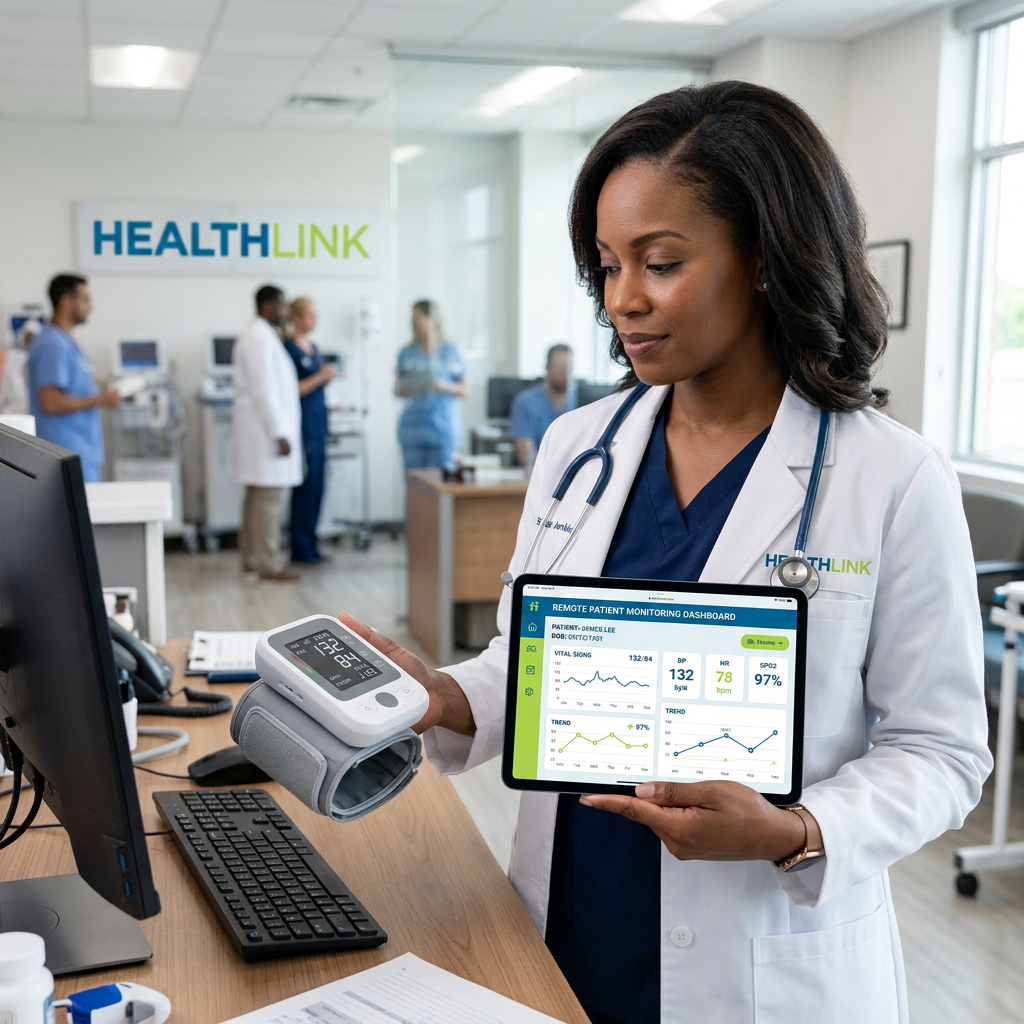
Remote Patient Monitoring (RPM) involves providing patients with FDA-cleared, 4G-enabled devices to monitor vital metrics such as blood pressure, glucose levels, pulse oximetry, and weight. These devices transmit real-time data to iScript.care's secure HIPAA-compliant cloud platform — automatically and without requiring any patient interaction with technology.
Why RPM Is Transforming Primary Care
For Medicare patients managing chronic conditions, the gap between office visits is where most health deterioration occurs. Traditional care models are reactive — waiting for patients to call or show up in the emergency room. RPM changes the paradigm entirely, giving clinicians continuous visibility into each patient's health status in real time.
The results are compelling:
- Reduced hospitalizations through early intervention
- Better chronic disease control with more frequent data points
- Higher patient satisfaction from feeling continuously supported
- Significant additional revenue for participating practices
How iScript.care RPM Works
- A patient is enrolled in RPM by their physician practice — typically high-risk Medicare patients with hypertension, diabetes, CHF, COPD, or CKD.
- A pre-configured 4G cellular device ships directly to the patient's home — no setup required.
- When the patient takes a reading, data transmits instantly through the cellular network — no WiFi, no app, no smartphone.
- iScript.care's 24/7 clinical monitoring team reviews all readings in real time.
- Abnormal readings trigger immediate patient outreach and escalation to the provider.
- Monthly billing documentation is generated automatically.
Which CPT Codes Apply to RPM?
| Code | Description | Rate | |------|-------------|------| | 99453 | Initial patient setup & education | ~$19 (one-time) | | 99454 | Monthly device supply (16+ reading days) | ~$46/month | | 99457 | First 20 min of clinical staff time | ~$48/month | | 99458 | Each additional 20 min | ~$39/increment |
Combined with CCM, a practice can generate up to $193+ per patient per month in Medicare reimbursement — with iScript.care managing all clinical and administrative activities.
Why 4G Cellular Matters
The single biggest driver of RPM program failure is device adherence. WiFi-dependent devices require patients to have home internet, manage Bluetooth pairing, and interact with smartphone apps — creating barriers that eliminate a significant portion of Medicare patients.
iScript.care's 4G cellular gateway eliminates all of these barriers. Patients take a reading. Data transmits automatically. No WiFi. No app. No phone.
The result: 27% more patients achieving 16+ reading days compared to leading WiFi devices — directly translating to higher CPT 99454 eligibility and more revenue for your practice.
Who Qualifies for RPM?
RPM is indicated for Medicare patients with chronic conditions requiring ongoing monitoring. Most commonly enrolled:
- Hypertension and heart disease
- Type 2 Diabetes
- Congestive Heart Failure (CHF)
- Chronic Obstructive Pulmonary Disease (COPD)
- Chronic Kidney Disease (CKD)
- Obesity and weight management programs
Conclusion
RPM is one of the highest-return, lowest-overhead service additions available to primary care practices today. With the right cellular technology and a Doctor-Led clinical partner like iScript.care, implementation is seamless and outcomes are measurable.
Ready to Launch Your RPM / CCM Program?
iScript.care manages everything — clinical staff, devices, billing reports. You focus on your patients.