Choosing a Remote Care Partner: Are You Asking the Right Questions?
The RPM/CCM vendor landscape is consolidating rapidly. Practices that ask the wrong questions end up with technology that creates more work, not less. Here's your complete evaluation framework.
Implementing or expanding Chronic Care Management and Remote Patient Monitoring programs requires more than understanding the clinical and reimbursement aspects — it requires selecting the right technology and service partner. The vendor landscape is maturing rapidly, with increasing consolidation as companies seek to offer comprehensive, end-to-end solutions.
For Primary Care Physicians, choosing a partner that aligns with your practice's needs and goals is critical for long-term success. The wrong partner creates administrative burden, compliance risk, and poor patient outcomes. The right partner becomes a competitive advantage.
The Evolving Vendor Landscape
The remote care vendor market is consolidating as companies combine technology platforms, device logistics, software development, and clinical staffing into integrated solutions. This is good news for practices — but it raises the stakes for vendor selection. A poor integration is harder to undo than a simple software swap.
Key trends driving consolidation:
- Increasing CMS regulatory complexity requiring specialized compliance expertise
- Growing demand for AI-driven clinical decision support
- APCM code introduction expanding the addressable market
- Health systems seeking unified RPM/CCM/BHI platforms
The 10 Questions Every Practice Must Ask
1. Do you support RPM, CCM, BHI, and APCM codes? Practices need a partner that can scale with evolving CMS programs — not one that only supports a subset of codes.
2. How does your EHR integration work — and is it bidirectional? Unidirectional integrations create manual data entry. Bidirectional integration means RPM readings and CCM notes appear automatically in the patient chart.
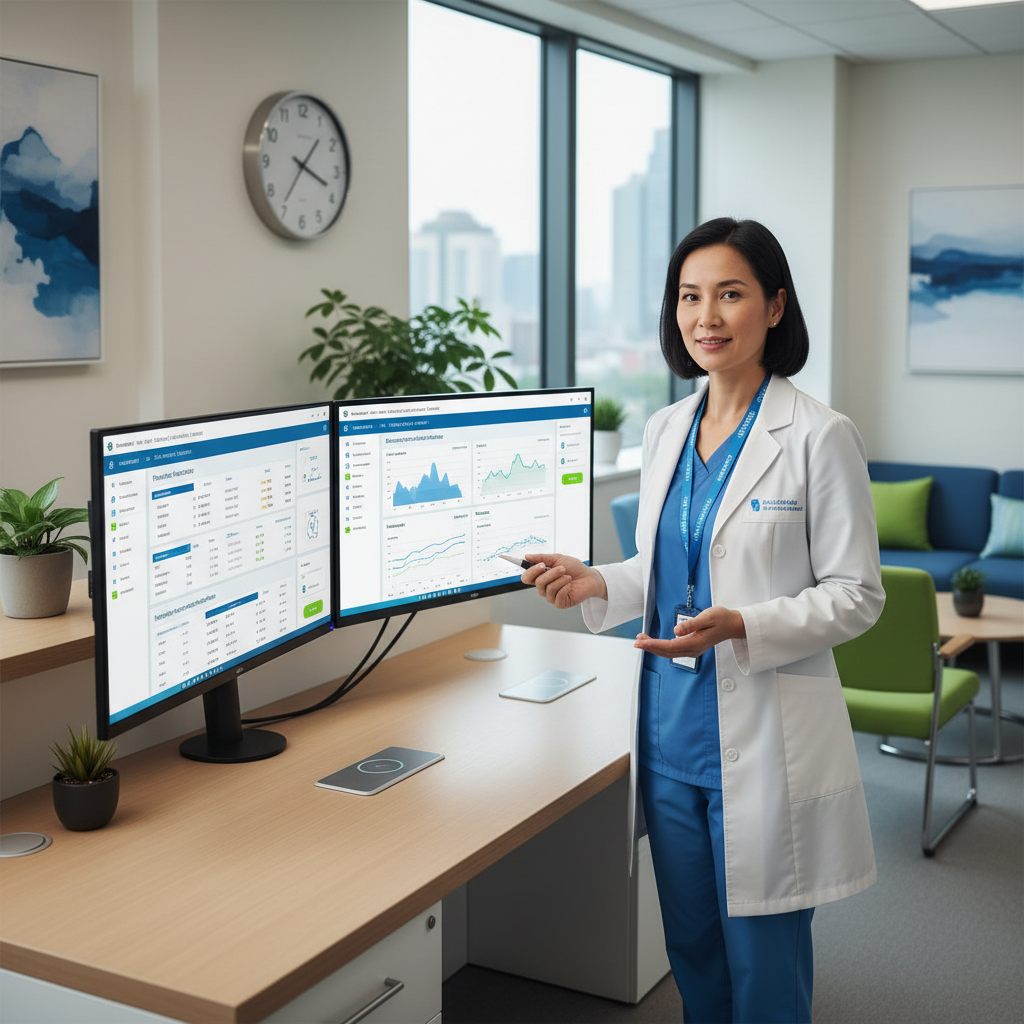
3. What does your data analytics and reporting look like? You need trend analysis, patient population dashboards, and automated billing report generation — not just raw data tables.
4. How do you automate time tracking for billing compliance? CPT 99457, 99458, 99490, and 99439 all require documented time. Look for a platform that timestamps every care manager interaction automatically.
5. What is your device connectivity model? WiFi-dependent devices fail 40%+ of Medicare patients. Demand cellular connectivity for maximum adherence.
6. How do you handle patient enrollment and consent? This is often the biggest administrative burden. Does the vendor manage outreach, consent documentation, and device shipping — or does your front desk?
7. What are your HIPAA and security certifications? HITRUST or SOC-2 certification indicates a mature security posture. Don't accept vague assurances.
8. What does your clinical staffing model look like? Who monitors RPM alerts after hours? Is there a physician overseeing care manager training and care plan design?
9. Can the platform scale as I enroll more patients? A platform that works for 25 patients but breaks at 200 is not a long-term solution.
10. What is your service model flexibility? Do you offer software-only, fully outsourced clinical staff, or a hybrid? Your practice's staffing capacity determines which model fits.
The iScript.care Difference
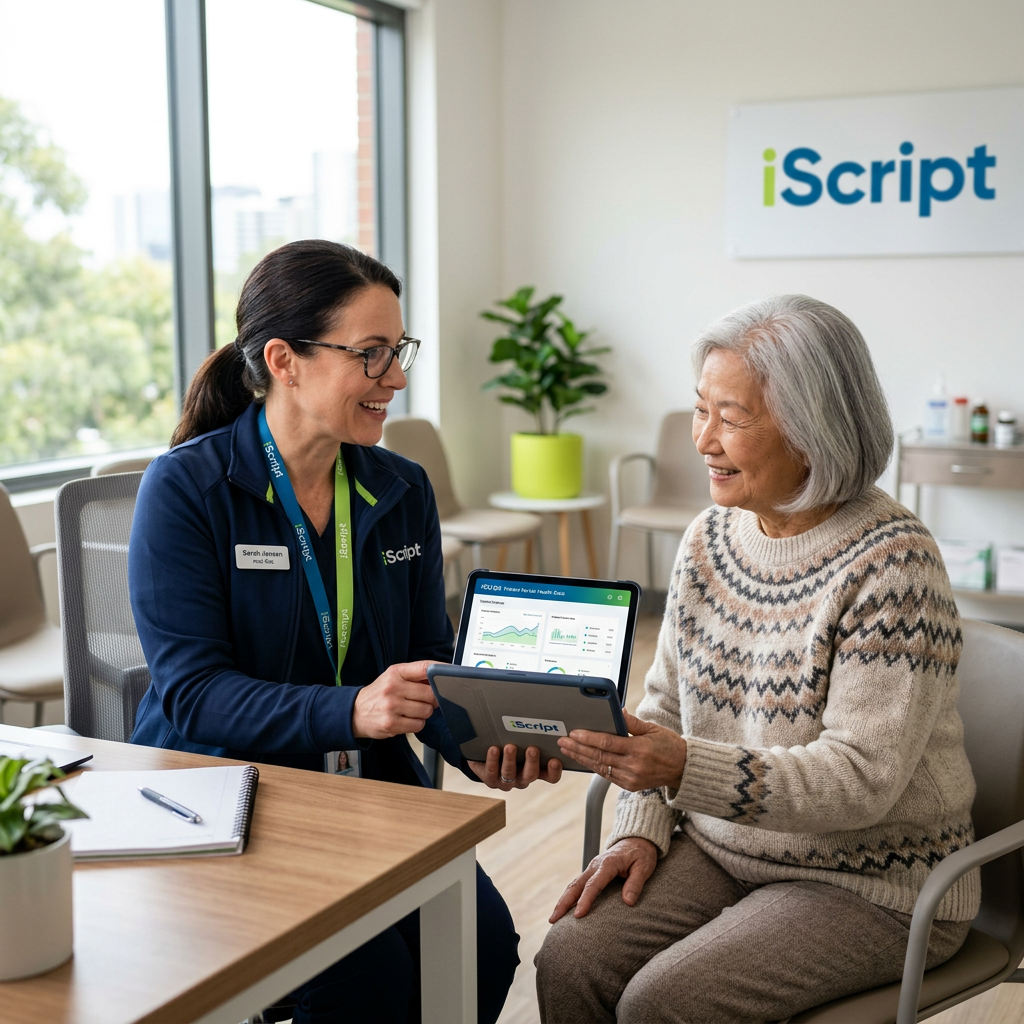
Doctor-Led and Clinically Focused Our service is led by Dr. Chomba Chuma, MD (Medical Informatics). iScript.care is built on clinical expertise — not just technology. We don't just provide software; we provide a clinically intelligent solution designed by a physician who understands what primary care practices actually need.
Doctor-Designed Care Plans for Quality and Compliance Our care managers follow Doctor-Designed Care Plans that adhere to CMS requirements — providing a standardized yet personalized approach to patient care, ensuring quality, consistency, and compliance.
Full-Spectrum Integration iScript.care supports RPM, CCM, BHI, and emerging APCM codes — future-proofing your program investment.
Flexible Partnership Models We work with your practice to determine the best service model: technology-only, fully outsourced clinical staffing, or a hybrid approach. You define what you need; we deliver it.
A Vendor Evaluation Scorecard
| Criterion | Weight | iScript.care | |-----------|--------|-------------| | EHR Integration (bidirectional) | High | ✓ | | Cellular device connectivity | High | ✓ | | Auto time-tracking for billing | High | ✓ | | Physician-led clinical oversight | High | ✓ | | HIPAA/SOC-2 compliance | Required | ✓ | | Multi-program support (RPM+CCM+BHI) | High | ✓ | | Doctor-Designed Care Plans | Differentiating | ✓ | | APCM support (G0556–G0558) | Emerging | ✓ | | After-hours alert monitoring | Required | ✓ |
Conclusion
Selecting the right RPM/CCM vendor is a critical decision. Evaluate partners based on their comprehensive offerings, clinical expertise, and commitment to compliance — not just their technology demo. Partner with iScript.care and benefit from a Doctor-Led service with Doctor-Designed Care Plans, ensuring a truly effective and clinically sound remote care program for your patients.
Ready to Launch Your RPM / CCM Program?
iScript.care manages everything — clinical staff, devices, billing reports. You focus on your patients.