Power of Proactive Management: Mastering Chronic Care
Reactive care is no longer sufficient for the growing burden of chronic disease. Proactive management — through risk stratification, patient engagement, and technology — is the key to better outcomes and lower costs.
Are you ready to revolutionize the way you approach chronic care management? In today's fast-paced world, proactive management is key to delivering better outcomes for patients and driving down costs. With the rising prevalence of chronic diseases such as diabetes, heart disease, and obesity, it has become imperative for healthcare providers to adopt a proactive approach to managing these conditions.
Understanding Chronic Care Management
Chronic care management (CCM) refers to a comprehensive approach to treating patients with long-term health conditions. Unlike acute care, which focuses on immediate treatment of specific health issues, CCM emphasizes ongoing care and support to help patients manage their conditions effectively over time.
The core components include patient education, self-management support, regular monitoring of health indicators, and coordinated care among healthcare providers. This holistic strategy empowers patients to take an active role in their health — providing information and tools to understand their conditions better.
The Importance of Proactive Management
Proactive management in chronic care is vital as it shifts the focus from merely treating symptoms to preventing issues from developing in the first place. This approach involves identifying patients at high risk for complications and implementing strategies to mitigate those risks.
Early Intervention Over Reaction By actively monitoring patients' health status and engaging them in their care, healthcare providers can intervene early — potentially preventing hospitalizations and reducing the burden on healthcare systems. A patient whose weight is trending up in the context of CHF gets a call from their care manager, not an emergency department visit.
Fostering Patient Accountability Regular check-ins, whether through telehealth services or in-person visits, allow for the timely adjustment of treatment plans based on real-time data. This continuous engagement fosters a sense of accountability among patients, encouraging them to adhere to treatment protocols and make healthier lifestyle choices.
Value-Based Care Alignment Proactive management aligns with the principles of value-based care, which prioritize patient outcomes over the volume of services provided. By focusing on preventive measures and early interventions, healthcare organizations can improve the quality of care while simultaneously reducing costs.
Key Strategies for Effective Proactive Management
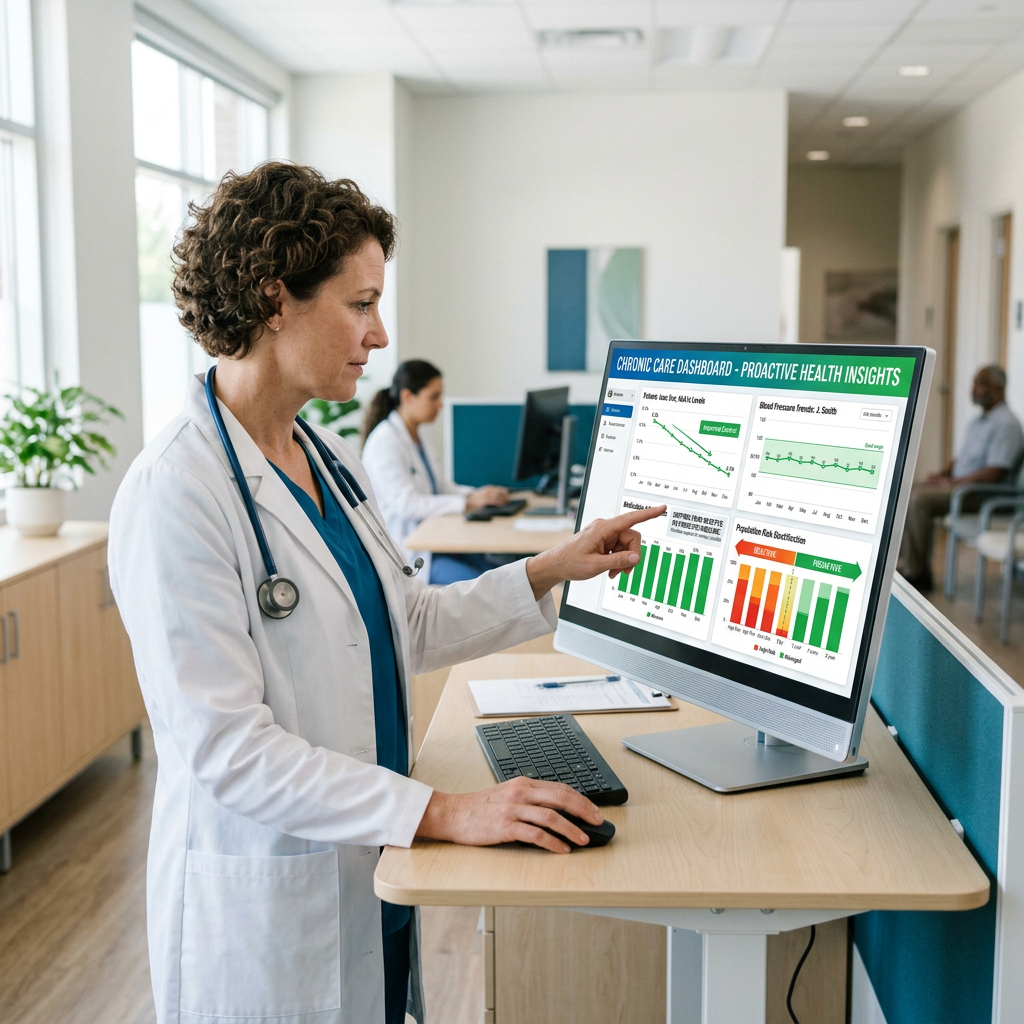
Risk Stratification The first step is identifying patients who are at the highest risk for complications. By analyzing patient data — medical history, lifestyle factors, current health status — healthcare providers can categorize patients into different risk levels and allocate interventions accordingly.
Patient Engagement Through Education Providing patients with comprehensive information about their conditions, treatment options, and lifestyle modifications empowers them to take an active role in their care. Patients who feel informed and supported are more likely to adhere to treatment plans and make positive lifestyle changes.
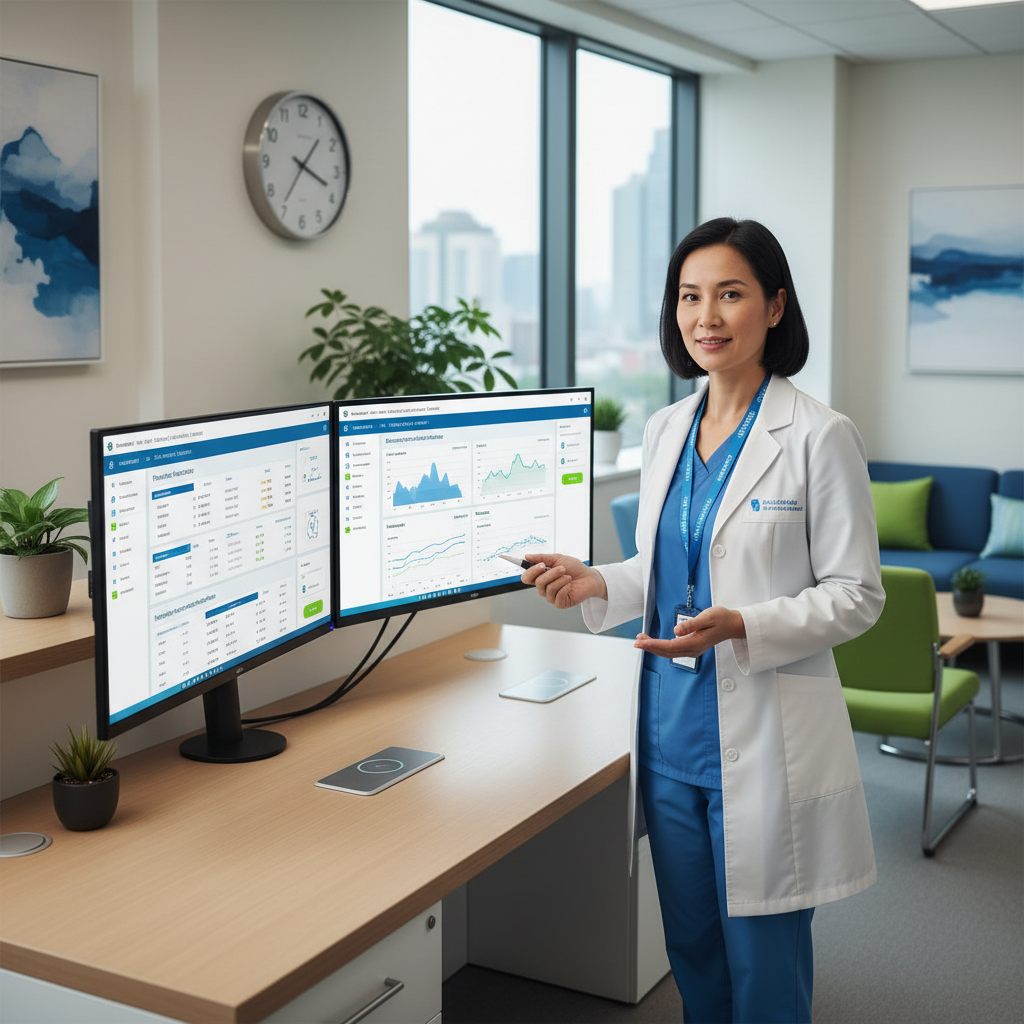
Leveraging Technology Remote patient monitoring tools, mobile health applications, and telehealth services facilitate real-time communication between patients and healthcare providers. These technologies enable continuous monitoring of health indicators, allowing for timely interventions when necessary.
Technology's Role in Proactive Chronic Care
RPM systems allow healthcare professionals to track patients' vital signs and health data from the comfort of their homes. With devices such as blood pressure monitors, glucose meters, and wearable fitness trackers, patients continuously provide data that healthcare teams can analyze to identify trends and potential issues.
| Technology | Proactive Application | Clinical Alert Threshold | |-----------|----------------------|--------------------------| | Cellular blood pressure monitor | Daily BP trending | >180/110 → immediate escalation | | Glucometer with auto-transmission | Glucose control between visits | <70 or >400 → care manager outreach | | Smart scale | CHF fluid retention monitoring | +3 lbs in 2 days → diuretic review | | Pulse oximeter | COPD saturation trend detection | SpO2 <92% → clinical intervention |
<!-- CORRECTED 2 Sep 2026. This section was headed "Proactive vs. Reactive Care: The Numbers" and gave a table of outcome figures: ER visits per 100 patients/year ~28 vs ~18, 30-day readmission ~15% vs ~10%, patient satisfaction ~3.5/5.0 vs ~4.6/5.0, and medication adherence ~65% vs ~82%. None of those figures could be tied to a published study or to any audited iScript data set, so they have been removed rather than re-sourced. The table now states what changes under each model. The reimbursement row is retained because it derives from the published CMS fee schedule. -->Proactive vs. Reactive Care: What Actually Changes
| Metric | Reactive Care Model | Proactive (RPM+CCM) Model | |--------|--------------------|-----------------------------| | When deterioration is detected | At the next visit, or in the ER | Between visits, from transmitted readings | | Who initiates contact | The patient, once symptomatic | The care team, on an alert | | Care plan updates | Annually, or after an acute event | Monthly, against tracked measurements | | Avg monthly reimbursement per patient | ~$0 incremental | ~$242 (per CMS fee schedule) |
Conclusion
The future of chronic care is proactive, technology-enabled, and patient-centered. By adopting proactive management strategies — risk stratification, patient engagement, continuous monitoring — healthcare organizations can not only enhance patient outcomes but also reduce the overall costs associated with treating chronic conditions. At iScript.care, we provide the platform, the care team, and the Doctor-Designed Care Plans to make proactive chronic care management a reality for your practice.
Ready to Launch Your RPM / CCM Program?
iScript.care manages everything — clinical staff, devices, billing reports. You focus on your patients.