Drowning in Data? How to Turn RPM Information Into Actionable Insights for Better Patient Care
RPM generates vast amounts of patient data — but raw data without clinical intelligence creates noise, not insight. iScript.care's Doctor-Led approach transforms data streams into proactive, personalized care decisions.
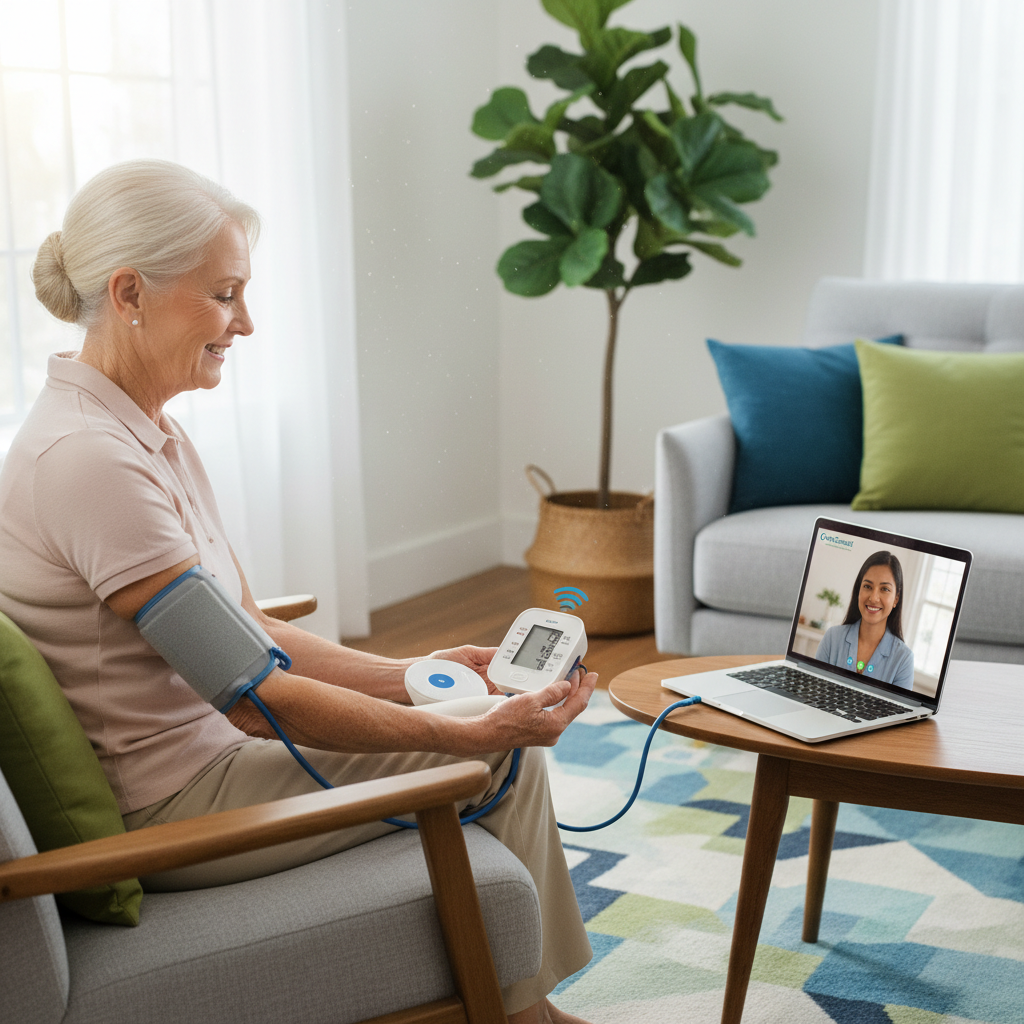
Remote Patient Monitoring generates a wealth of patient data — offering unprecedented visibility into health status outside the clinical setting. However, for Primary Care Physicians, the sheer volume of this data can be overwhelming. The key to unlocking RPM's true potential lies in transforming information into actionable clinical intelligence.
From Raw Data to Actionable Insights
The value of RPM data extends far beyond simple vital sign tracking. When properly analyzed and interpreted, this data provides a powerful foundation for informed clinical decision-making.
Identifying Trends and Patterns Analyzing RPM data over time reveals trends in a patient's vital signs, weight, or other monitored parameters. These trends expose how a patient's condition is progressing, their response to treatment, and areas of concern that a single office visit would never reveal.
Early Detection of Deterioration Subtle changes in RPM data can serve as early warning signs of patient deterioration — often days before the patient experiences noticeable symptoms. Proactive alerts triggered by readings outside set parameters enable timely intervention, preventing potential complications or hospitalizations.
Informing Treatment Adjustments Real-time and historical RPM data gives clinicians objective evidence to inform treatment adjustments. Persistently elevated blood pressure readings may indicate the need for medication titration. Trending weight gain in a CHF patient may require immediate diuretic adjustment.
Enhancing Patient-Physician Conversations Sharing RPM data directly with patients facilitates more informed, engaging conversations about their health. When patients see their own trend data — blood pressure improving over months of adherence — they become active participants in their care.
The Problem: Data Volume Without Clinical Intelligence
Without the right tools and clinical framework, RPM data creates more work — not less. Common pitfalls include:
- Alert fatigue from too many non-actionable notifications
- Inability to distinguish clinically significant changes from normal variation
- Raw data sitting in a silo, never integrated into clinical workflow
- Care managers without clinical training missing critical patterns
iScript.care: Making RPM Data Intelligent and Actionable
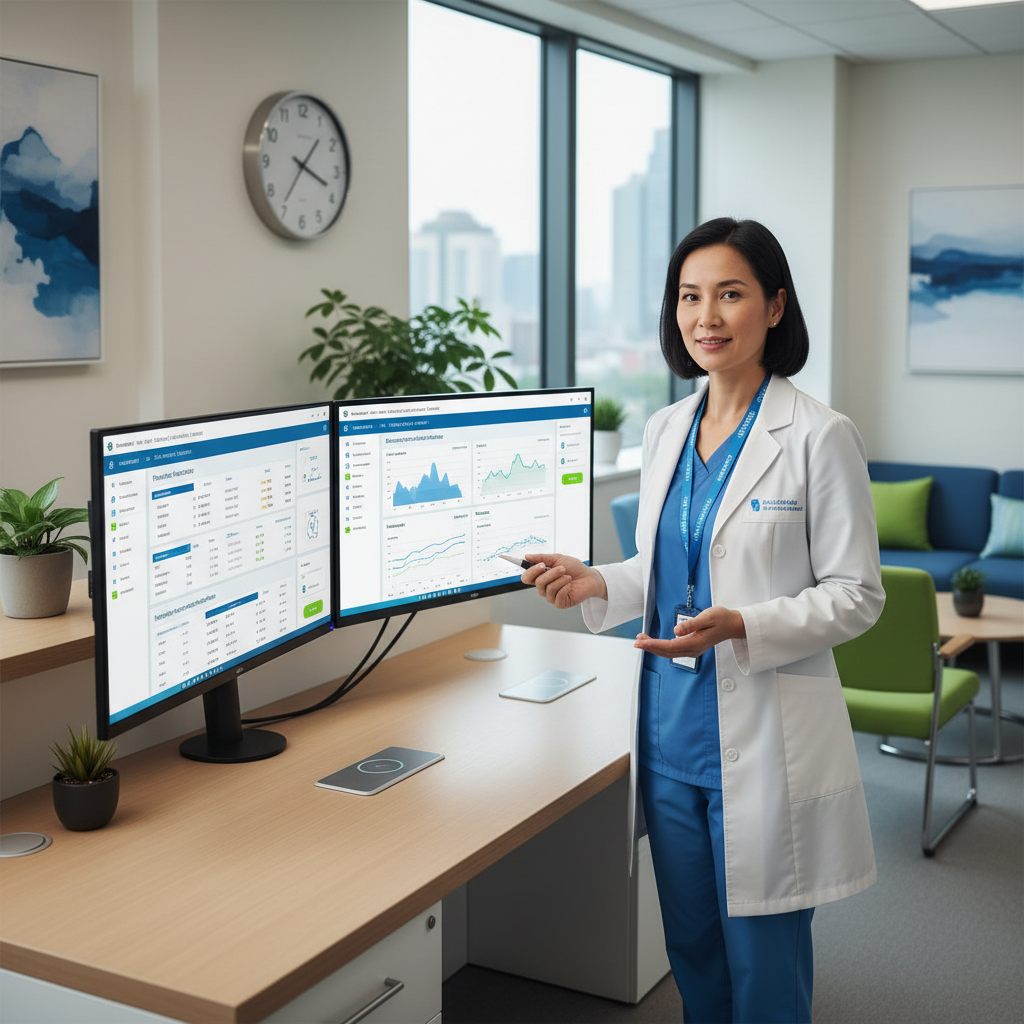
Doctor-Led Approach to Data Utilization Our service is led by Dr. Chomba Chuma, MD, with specialized training in Medical Informatics — the science of applying clinical knowledge to health information systems. This ensures our platform presents RPM data in a clinically meaningful way: clear trends, relevant alerts, and insightful summaries that integrate into your workflow, rather than contribute to data overload.
Doctor-Designed Care Plans Informed by Real-Time Data Our care managers follow Doctor-Designed Care Plans that are dynamic — informed and adjusted based on data received from RPM devices. The platform helps care managers monitor progress towards care plan goals, identify deviations, and trigger appropriate interventions, ensuring care responds to the patient's real-time needs.
Intelligent Platform and Reporting Our technology platform goes beyond simple data display, providing:
- Trend analysis across vital sign categories
- AI-augmented predictive insights for high-risk patients
- Patient population dashboards for practice-level monitoring
- Automated billing report generation aligned with CPT documentation requirements
Turning Data Into Dollars and Better Outcomes
When RPM data is used intelligently:
| Data Signal | Clinical Action | Revenue Impact | |-------------|----------------|----------------| | Rising BP trend | Medication adjustment | Prevented ER visit | | Weight spike in CHF | Early diuretic intervention | Avoided hospitalization | | Low adherence pattern | Care manager outreach | 99454 eligibility restored | | Improved glucose trend | Reduced medication | Patient empowerment | | Declining SPO2 in COPD | Escalation to provider | Prevented exacerbation | | Elevated resting HR trend | CHF/arrhythmia investigation | Early intervention |
Conclusion
RPM data holds immense potential for transforming chronic disease management — enabling a shift from reactive to proactive care. iScript.care, with our Doctor-Led approach and Doctor-Designed Care Plans, is uniquely positioned to help your practice turn RPM data into actionable insights. Partner with us to harness the power of intelligent data and provide your patients with the highest level of proactive, personalized care.
Ready to Launch Your RPM / CCM Program?
iScript.care manages everything — clinical staff, devices, billing reports. You focus on your patients.