Beyond the Device: The Critical Role of Care Managers in Making Remote Care Work
Technology alone cannot drive RPM and CCM success. The human connection provided by skilled care managers is what transforms data into outcomes — and iScript.care's Doctor-Led model makes it exceptional.
While technology is a vital component of Remote Patient Monitoring (RPM) and Chronic Care Management (CCM), the success of these programs ultimately hinges on the human connection and support provided to patients. For Primary Care Physicians (PCPs), understanding the crucial role of supportive care management is essential for maximizing patient engagement, adherence, and achieving better clinical outcomes.
The Indispensable Role of Care Managers
Care managers serve as the vital link between technology, the patient, and the clinical team. They provide the personalized attention, education, and support that empowers patients to actively participate in their care and successfully manage their chronic conditions.
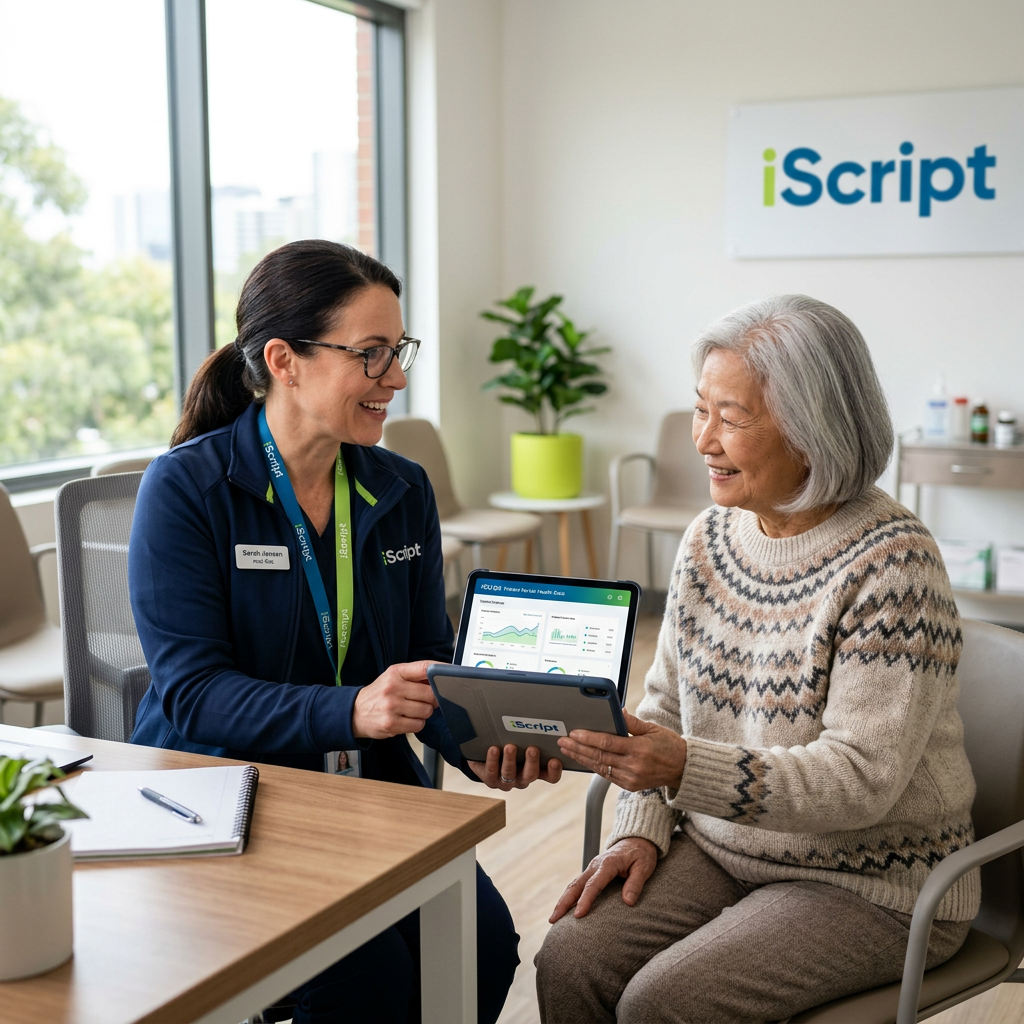
Building Rapport and Trust Care managers build genuine relationships with patients, fostering trust and open communication — particularly important for addressing potential barriers to technology use or health literacy challenges common in Medicare populations.
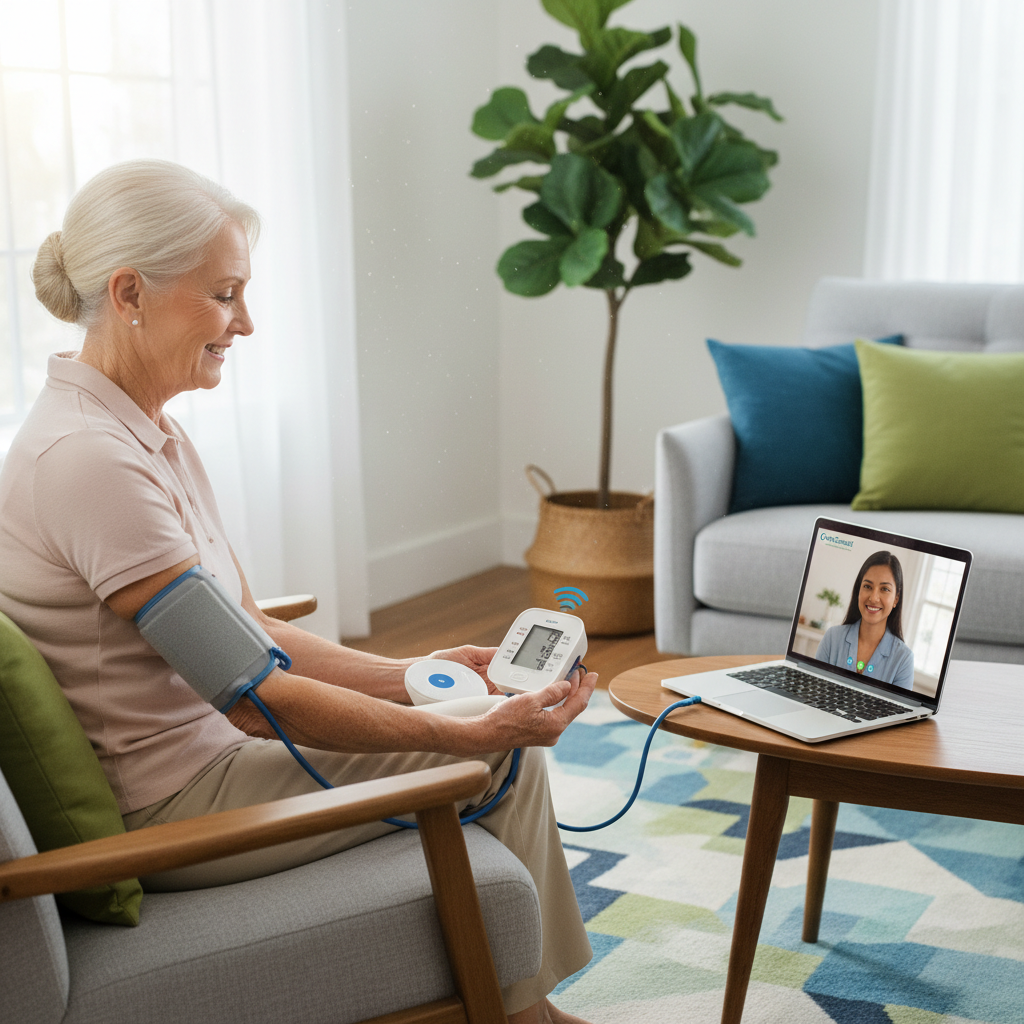
Patient Education and Coaching They provide essential education on how to use RPM devices correctly, understand program goals, and develop self-management skills. Ongoing motivational coaching encourages sustained adherence to treatment plans and healthy lifestyle changes.
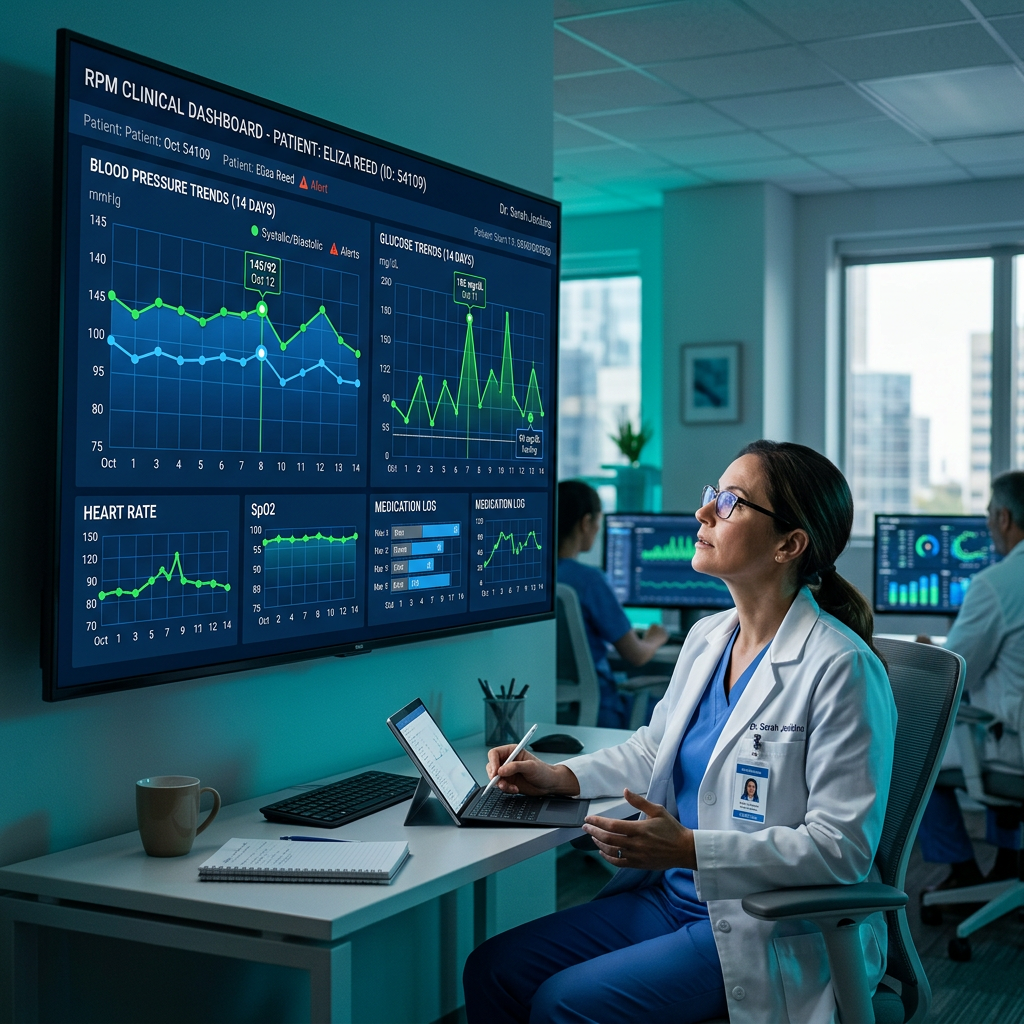
Monitoring and Intervention Care managers monitor RPM data, identify potential issues, and communicate with patients or the clinical team to facilitate timely interventions. They serve as the first point of contact for patients with questions or concerns — a critical safety net.
Care Coordination Care managers assist in coordinating care across providers and settings, ensuring the patient's care plan is followed and that they receive necessary support services — from specialist referrals to social services.
Addressing Non-Clinical Barriers Social determinants of health are real obstacles to chronic care success. Care managers identify and address barriers such as transportation, food insecurity, and medication cost — connecting patients with relevant community resources.
iScript.care: Supportive Care Management Guided by Medical Expertise
At iScript.care, we believe exceptional care management is the heart of a successful remote care program. Our care managers are not just administrators — they are integral members of the care team, providing compassionate and effective support to your patients.
Doctor-Led Approach to Care Manager Training Our service is led by Dr. Chomba Chuma, MD, with specialized training in Medical Informatics. Dr. Chuma's clinical expertise directly informs how our care managers are trained — ensuring they understand the clinical significance of the data they monitor and communicate effectively with patients about their chronic conditions.
Doctor-Designed Care Plans Guiding Every Interaction Our care managers follow structured, Doctor-Designed Care Plans — providing a framework for patient interactions that ensures key areas are addressed, relevant education is provided, and evidence-based support is delivered consistently. Every patient receives high-quality care aligned with clinical best practices.
Seamless Collaboration with Your Practice Our care managers work in close collaboration with your primary care practice, keeping you informed of patient progress and alerting you to any potential concerns requiring your clinical expertise.
Key Outcomes Driven by Exceptional Care Management
When care managers are properly trained and guided, the results speak clearly:
- Higher RPM adherence rates — more patients achieving 16+ reading days for CPT 99454 billing
- Improved medication adherence — fewer hospitalizations from non-compliance
- Earlier identification of deterioration — reduced emergency department visits
- Higher patient satisfaction scores — patients feel seen, heard, and supported
- Greater per-patient revenue — engaged patients generate more billable touchpoints
Care Management Performance Metrics at iScript.care
| Metric | Industry Average | iScript.care | |--------|-----------------|-------------| | Patient RPM device adherence (16+ days) | ~61% | ~88% | | Monthly care manager contact rate | ~70% | ~95% | | Patient satisfaction score | ~3.8/5.0 | ~4.6/5.0 | | 12-month program retention | ~65% | ~78% | | Escalation-to-provider response time | 24–48 hrs | <4 hrs |
Conclusion
While technology provides the infrastructure for RPM and CCM, it's the human element of supportive care management that drives patient success. iScript.care recognizes the importance of this role and invests in providing exceptional care management services guided by medical expertise and Doctor-Designed Care Plans. Partner with us to provide your patients with the supportive care they need to thrive with their chronic conditions.
Ready to Launch Your RPM / CCM Program?
iScript.care manages everything — clinical staff, devices, billing reports. You focus on your patients.