Medicare dollar amounts in older articles are not current. Calendar year 2026 national non-facility amounts are on the chronic care page. This article is not a quote of what a practice will be paid.
Barriers Implementing Remote Patient Monitoring in Primary Care — And How to Overcome Them
RPM adoption remains low among PCPs despite compelling evidence. Digital literacy gaps, data overload, and financial constraints are the top barriers — and each has a proven solution.
Remote Patient Monitoring (RPM) is revolutionizing the way primary care providers manage chronic diseases. By allowing the automated transmission of patient physiological data — blood pressure, glucose levels, and more — RPM enhances engagement, improves clinical outcomes, and facilitates timely interventions. Despite its potential, RPM adoption remains relatively low among PCPs. What are the barriers, and how can they be addressed?
The Promise of RPM in Primary Care
The COVID-19 pandemic significantly accelerated the adoption of telehealth solutions, including RPM. Many studies confirm its effectiveness in managing chronic conditions, reducing hospital readmissions, and improving overall patient outcomes. However, Medicare claims data reveal that RPM usage remains limited to a small subset of PCPs. Unlike video visits, which have seen widespread adoption, RPM has encountered several barriers that hinder its integration into routine care.
Key Challenges in RPM Implementation
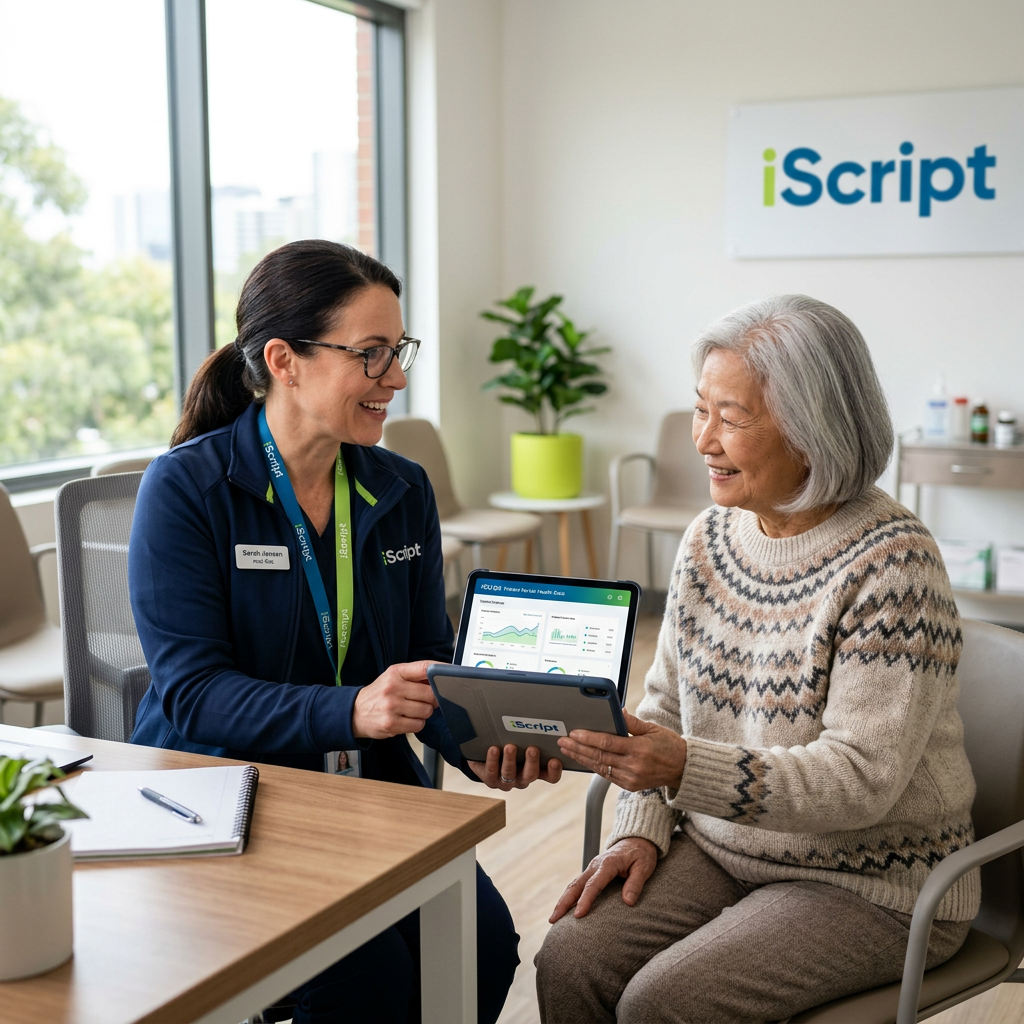
1. Digital and Health Literacy Barriers One of the most significant challenges in RPM adoption is patient readiness. Many patients, particularly older adults and those with lower health literacy, struggle to use RPM devices effectively — setting up Bluetooth connections, interpreting data, and understanding the importance of consistent monitoring.
Solution: Cellular-connected devices that require no smartphone or app eliminate the technology barrier entirely. iScript.care's 4G gateway requires patients to press one button — nothing more.
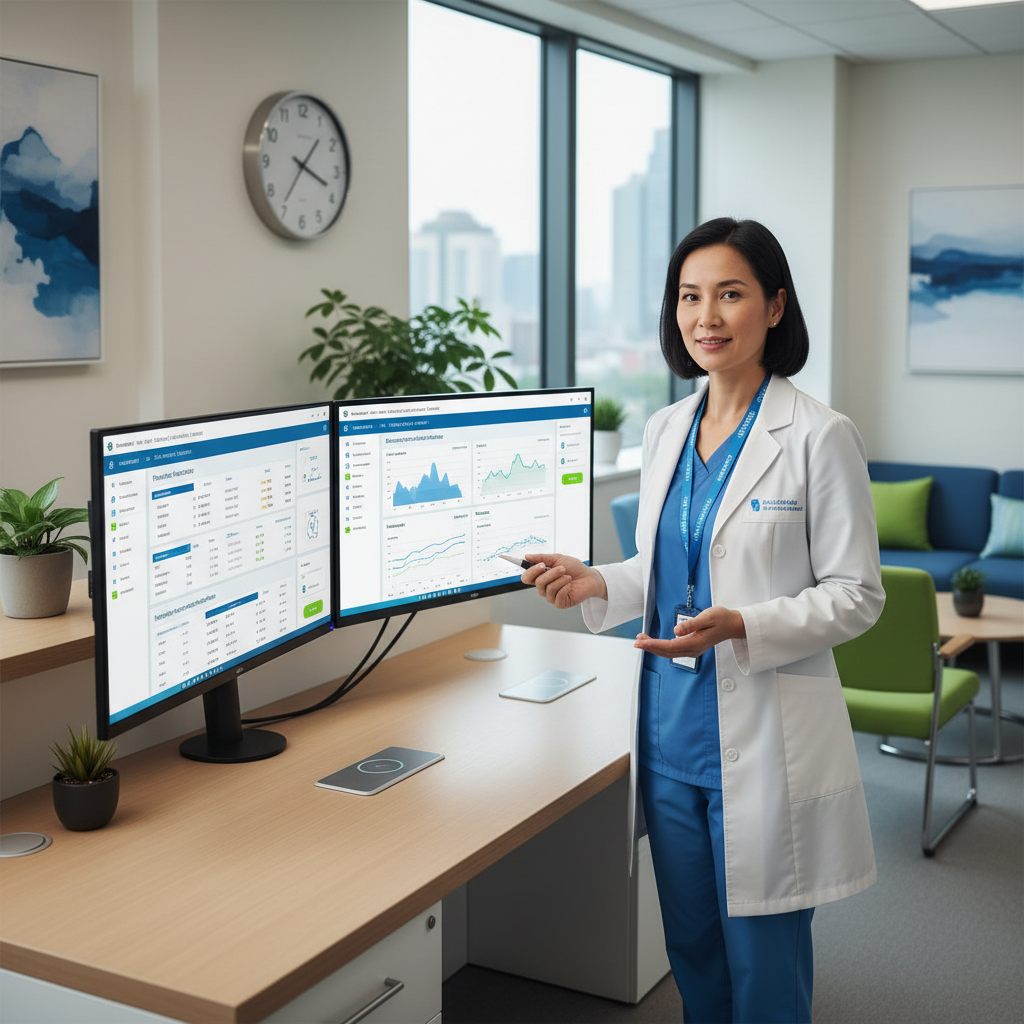
2. Data Overload and Workflow Disruptions PCPs already face substantial workloads, and integrating RPM data into daily practice adds to their responsibilities. Many physicians report that managing a constant influx of RPM data is time-consuming and disrupts traditional workflows.
Solution: Delegating initial data review to trained clinical staff and adopting AI-driven alerts that prioritize critical cases dramatically reduces physician burden.
3. Lack of a Strong Value Proposition for PCPs For many PCPs, RPM does not yet present a compelling financial case. While Medicare reimburses RPM services, the revenue generated often does not offset the costs associated with implementation, including training, staffing, and technology integration.
Solution: iScript.care handles all infrastructure, staffing, and compliance — practices receive billing reports without taking on additional overhead. The value proposition becomes immediately clear.
4. Organizational and Care Team Adjustments Implementing RPM requires significant changes in practice operations. Many smaller practices lack the necessary infrastructure to support these changes.
Solution: Third-party RPM service providers like iScript.care manage data collection and patient engagement, reducing the burden on in-house staff.
Barriers vs. Solutions Summary
| Barrier | Scale of Impact | iScript.care Solution | |---------|----------------|----------------------| | Patient technology barriers | High (30% lack WiFi) | 4G cellular — one button | | Physician data overload | High | AI triage + care manager layer | | Staffing/overhead costs | High | Fully outsourced clinical team | | EHR integration gaps | Medium | Bidirectional EHR connectivity | | Billing complexity | Medium | Auto-generated compliant reports |
Strategies to Facilitate RPM Adoption
- Expand Inclusion Criteria — Do not exclude older adults due to perceived technology difficulties; offer comprehensive support and education.
- Optimize Data Management — Implement automated data triage systems that filter out non-urgent alerts, allowing providers to focus on critical cases.
- Enhance Financial Incentives — Evaluate the full CPT code stack (99453+99454+99457+99458+CCM) to quantify true practice revenue potential.
- Build Interdisciplinary Teams — Assign RPM-related tasks to care managers, nurses, or dedicated RPM coordinators.
- Leverage Technology Partnerships — Collaborating with RPM vendors provides tools, training, and infrastructure support for seamless implementation.
Conclusion
RPM presents a transformative opportunity for primary care, enabling better chronic disease management and enhanced patient engagement. By addressing barriers through optimized workflows, cellular technology, and the right partnership, RPM can become an integral part of primary care — improving both provider efficiency and patient outcomes.
This article is informed by findings from "Challenges and Facilitators in Implementing Remote Patient Monitoring in Primary Care" by Hailu et al. (2024).
If this fits your practice, apply and we will call you.
$34.95 per enrolled patient per programme, or $55.00 for two. Invoiced monthly in arrears; due within 45 days. The practice bills Medicare under its own NPI.